
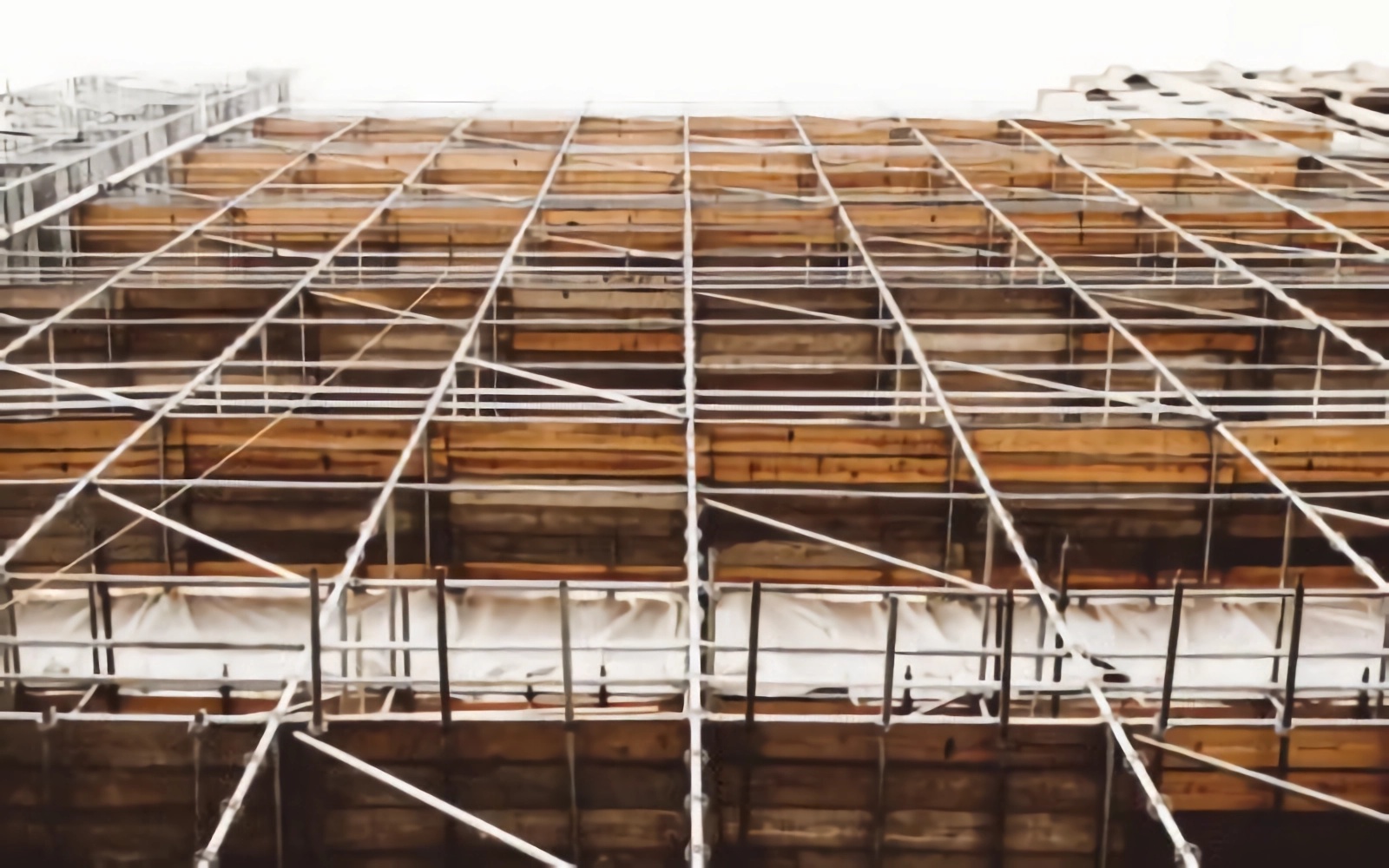
Work-At-Height is an inherently dangerous activity due to its nature, with more than one-third of workplace fatalities related to fall-from-height incidents. Despite the risks, many of these accidents can be prevented if effective safety measures are implemented on site.
By combining proper planning, education, enforcement, and technology, organizations can significantly reduce the likelihood of work-at-height incidents and create safer working environments.
How Can Video Analytics Play a Part in Site Safety?
#1 Fall Prevention Plan
According to the WSH Council Singapore, a Fall Prevention Plan (FPP) is a site-specific plan designed to eliminate or reduce the risk of falls. A comprehensive FPP includes policies for fall protection, defined responsibilities, risk assessments, and control measures.
The FPP must be developed by a competent person and reviewed regularly to ensure it remains relevant as site conditions change.
#2 Workers Education
Construction workers are exposed to various hazards, with work-at-height being one of the most critical risks. In Singapore, the Building and Construction Authority (BCA) mandates workers to undergo the Construction Safety Orientation Course (CSOC).
Through CSOC, workers learn required procedures and safe work practices, including proper work-at-height methods, ensuring they possess the necessary knowledge to operate safely on site.
#3 Frequent Danger Identification
Construction sites are dynamic environments where conditions change constantly as work progresses. New hazards may emerge due to changes in structure, terrain, or work phases.
Frequent danger identification helps safety teams recognize emerging risks early, allowing warning signs, barricades, and control measures to be implemented promptly.
#4 Usage of Personal Protective Equipment
The use of Personal Protective Equipment (PPE) such as helmets, safety vests, and protective footwear must be mandatory on construction sites.
Workers should be continuously reminded to wear PPE, especially when entering work-at-height zones. Clear signage and access control at danger zones help reinforce compliance.
#5 Use of Video Analytics
Video analytics systems provide real-time alerts and actionable insights whenever unsafe scenarios are detected, such as missing barricades or workers operating near open edges.
By extending the reach of safety officers, video analytics allows safety teams to monitor multiple locations simultaneously and respond quickly. The constant awareness of monitoring also encourages safer behavior, helping to strengthen overall safety culture on site.
Examples of Safety Use-Cases Using Video Analytics
- Congregation of Workers
- Vest Color Based Zoning
- Hard Hat Detection
- Safety Vest Detection
- Workers Under Lifted Loads
- Missing Barricades
- Radius Around Heavy Machinery & Vehicles
- Open Edge Detection